
Strength training vs size training
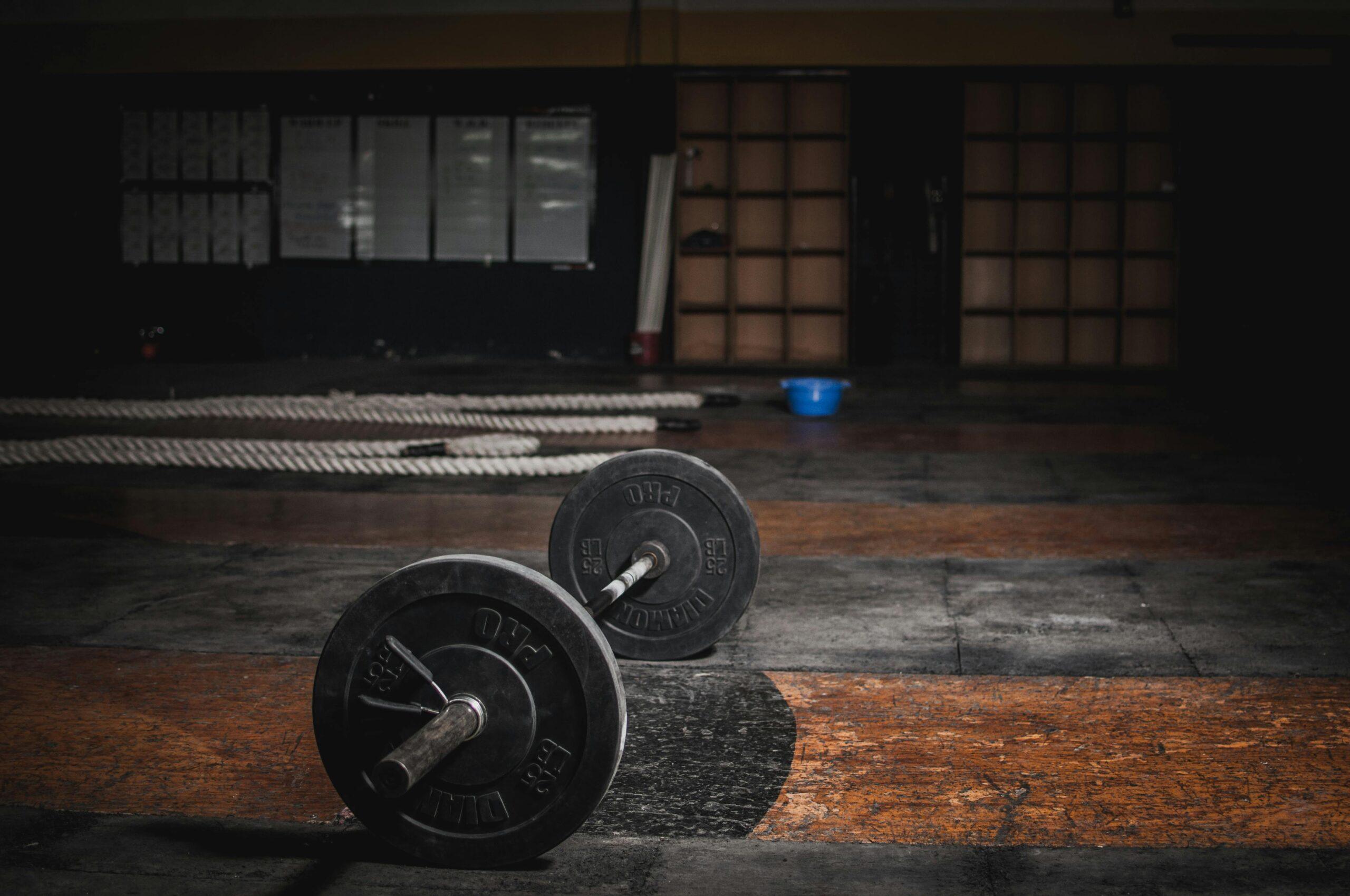
Examining the roadmap that benefits both during workouts
Introduction
Understanding your Training Goals
Strength and size are related but distinct outcomes. Strength training focuses on functional power and endurance, while hypertrophy targets muscle growth. Both are valuable for long-term health.
Balanced Strategy
- Combine compound movements (squats, presses, pulls) with bodyweight exercises for optimal results.
- Include progressive overload while respecting recovery needs.
- Monitor form and technique to reduce injury risk and maximize efficiency.
“A balanced program enhances both strength and appearance while supporting overall health and longevity.”
Trying to eat better and get healthier? Lifting weights might be your fastest ticket to a stronger body, sharper mind, and better overall life. Whether you’re using a pull-up bar, dumbbells, or just your body weight, strength training transforms how you look, feel, and move.
Why Strength Training Rocks:
- Boost Your Brain & Mood: Feel sharper, calmer, and unstoppable.
- Power Your Core & Daily Life: Move better, stand taller, live stronger.
- Stay Healthy Longer: Protect bones, metabolism, and vitality.
- Turn Heads Naturally: Muscles that look strong and athletic get noticed.
Why Building Muscle Matters:
- Command Attention: A toned, strong body speaks for itself.
- Win at Discipline: Real results fuel confidence and drive.
- Fuel Your Energy: More muscle = more stamina for life and workouts.
- Make a Lasting Impression: A sculpted physique impresses and inspires admiration.
Next, we’ll break down resistance training vs. weight lifting, and show you how to exercise safely at home—even if you’re a complete beginner.
Resistance Training vs. Weight Lifting:
Resistance training is any exercise where your muscles work against a force. This includes:
- Bodyweight movements (push-ups, squats, pull-ups)
- Resistance bands
- Machines
- Free weights
(Harvard Health Publishing, 2023)
Weight lifting is a specific form of resistance training that uses external weights—like dumbbells or barbells—to build strength and muscle mass.
In short, all weight lifting is resistance training, but not all resistance training involves weights.
Why Resistance Training Is Ideal for Dieters
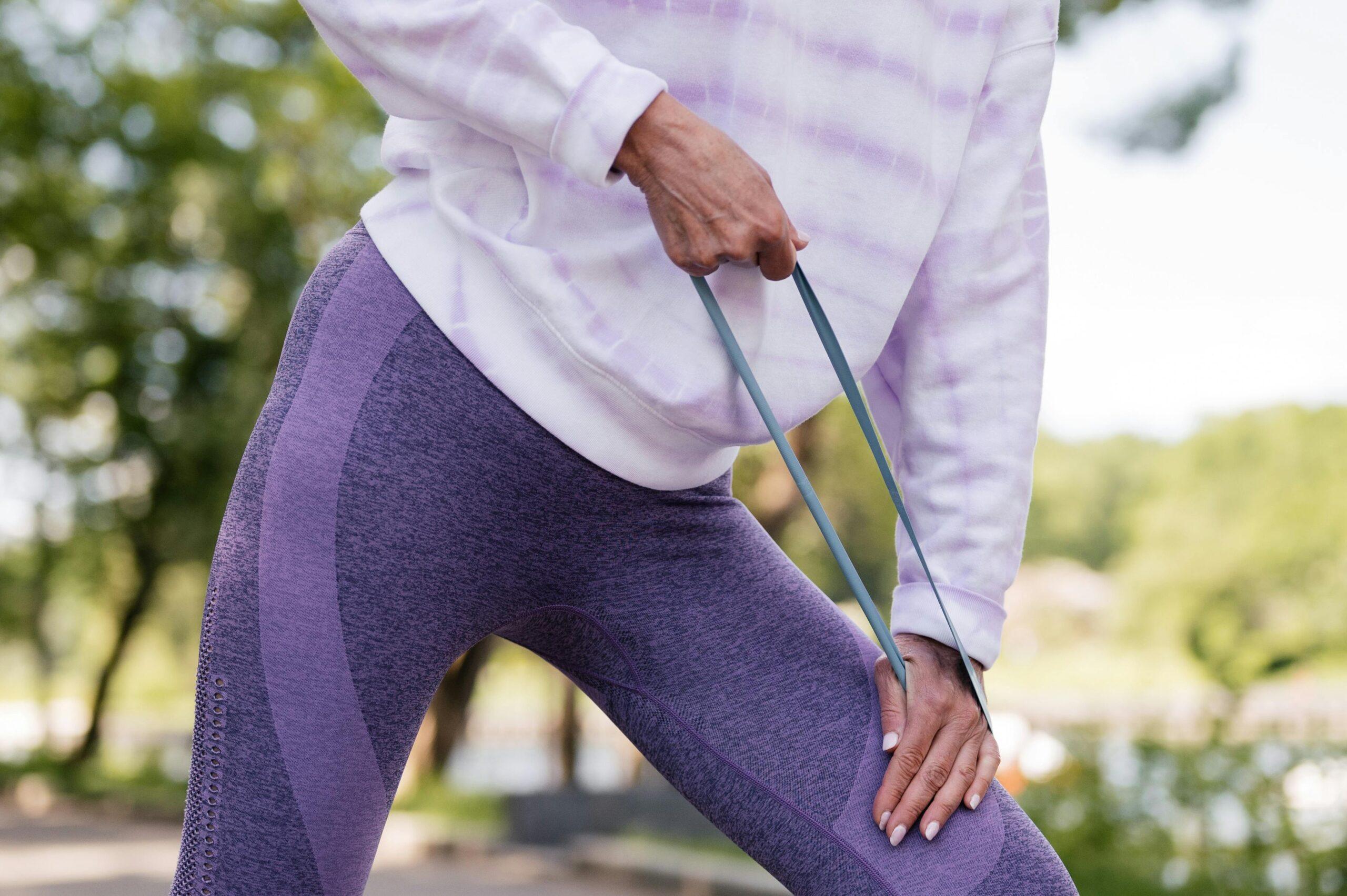
If you’re cutting calories or practicing intermittent fasting, resistance training helps you:
Preserve lean muscle while losing fat
Boost metabolism, even at rest
Improve insulin sensitivity and blood sugar control
Strengthen joints and bones
Elevate mood and energy, especially during calorie deficits
(American College of Sports Medicine, 2021)
It’s accessible, adaptable, and incredibly effective—even without a gym
Why Weight Lifting Accelerates Results
Weightlifting is a type of exercise that gets harder over time by adding more weight. This encourages:
- Greater strength and power
- Visible muscle growth (hypertrophy)
- Improved posture and movement
- Hormonal balance, including boosts in testosterone and growth hormone
If you want to look fit or just feel stronger, weight lifting is a good way to make a change.
Strength vs. Size
When you lift weights, you usually chase one of two goals: getting stronger or getting bigger.
They might sound similar, but they’re not quite the same. Strength is about how much force your muscles can produce, while size, or hypertrophy, is about how much muscle you can build.
The training behind each goal differs in pace, volume, and intent (Schoenfeld 2858).
But what if you don’t have a gym or any equipment?
That’s where bodyweight training shines.
Your own body becomes the resistance—and with the right mindset, it can challenge you just as much as iron plates ever could.
How to Progress Without Weights
Progress in bodyweight training comes down to one principle: make the exercise harder over time.
Just like adding weight to a barbell, your body needs new challenges to keep growing stronger.
The good news is that you can manipulate several variables to achieve this—no equipment required.
The first lever is leverage. By changing your body’s position, you can increase the resistance dramatically.
Think of how a knee push-up compares to a standard push-up, or how elevating your feet makes the movement even tougher.
Next is tempo. Slowing down the eccentric (lowering) phase of a movement increases time under tension—a powerful trigger for both strength and hypertrophy.
Likewise, adding pauses at the most difficult point of a rep enhances control and muscle recruitment.
Finally, volume and rest matter.
Performing more sets or reducing rest between them challenges endurance and metabolic efficiency.
These simple progressions transform basic moves into advanced training systems that build not just muscle, but resilience, balance, and total-body coordination (Calatayud et al.).
Estimating Intensity in Bodyweight Training
In bodyweight training, you can’t simply add five kilos to the bar. Your body is the bar.
That makes measuring effort—or your one-rep max (1RM)—less precise. Instead, you estimate intensity by how many good repetitions you can perform before reaching failure (MDPI).
If you can only squeeze out 6–8 push-ups with perfect form, you’re training for strength.
If you can go for 15–20, you’re leaning toward endurance and muscle growth.
By changing your leverage, tempo, or rest times, you can control intensity just as effectively as you would in the gym—and continue progressing toward either goal.
Bodyweight exercise example:
Pull-Ups
Beginner (0–2 reps): Near 100% effort—this is your 1RM zone.
Intermediate (3–6 reps): ~85–95% intensity.
Advanced (7–12 reps): ~70–85%—ideal for hypertrophy.
Adjustments:
Use resistance bands for assistance
Add tempo (slow negatives or pauses)
Use weighted pull-ups (if available)
Push-Ups
Standard push-up = ~64% of bodyweight
Incline push-up = ~50–55%
Decline push-up = ~70–75%
Diamond push-up = ~65–70%
Intensity by reps:
3–5 reps: strength zone
8–12 reps: hypertrophy zone
15+ reps: endurance
Squats
90-degree squat: Moderate intensity
Full squat: Greater range, more activation
Pistol squat: Nearly full bodyweight on one leg
Adjustments:
Use a wall or chair for support
Partial range pistol squats for beginners
Add tempo or pauses to increase difficulty

Combining Strength and Size at Home
You don’t need a gym to train smart. Here’s how to apply expert principles with minimal equipment:
Strength Focus
Low-rep pull-ups (3–5 reps)
Assisted pistol squats
Resistance band rows with high tension
Hypertrophy Focus
Higher-rep push-ups (8–12 reps)
Resistance band curls or lateral raises
Slow, controlled squats or glute bridges
Mixing both styles builds functional strength and lean muscle—while keeping workouts engaging and safe.
Starting to exercise at home without any experience can be tough.
For someone trying to lose weight, feeling unfit, or not sure of what they can do, doing a push-up or pull-up can seem really hard.
That’s why trust starts with clear advice and taking small steps.
Push-Up Variations for Beginners
Wall Push-Up: Stand facing a wall, hands shoulder-width apart. Push away from the wall. Great for absolute beginners.
Knee Push-Up: Lower your knees to the floor to reduce load. Maintain a straight line from shoulders to knees.
Incline Push-Up: Use a bench or countertop to elevate your hands. Easier than floor push-ups, but still effective.
Each variation builds strength and confidence. Celebrate every rep.
Pull-Up Progressions
Dead Hang: Just hang from the bar to build grip and shoulder stability.
Scapular Pull-Up: Engage your shoulder blades without bending elbows.
Assisted Pull-Up: Use resistance bands or a chair to reduce load.
Negative Pull-Up: Jump to the top position and lower slowly.
Even one second of effort counts. Progress is measured in persistence, not perfection.
Squat Variations
Chair Squat: Sit and stand from a chair to learn proper form.
Wall Squat Hold: Slide down a wall and hold position to build endurance.
Partial Range Squat: Go as low as comfortable—depth improves with time.
Pistol Squat Support: Use a wall or band for balance and control.
.
Every variation is a stepping stone. It is essential to share that with your audience; they truly deserve to be in the know!

Final Words of Encouragement
You don’t have to be strong to begin. You need to start getting strong.
When you carefully explain each step, suggest different options, and recognize people’s feelings, you create more than just a blog—you create a community.
A place that welcomes beginners, goes at their speed, and honors their bravery.
Motivation for the Journey
Starting at home with just a few tools isn’t a hindrance; it shows your determination.
You’re deciding to make changes, get better, and take control of your health.
Every repetition, every band pull, and every time you try to do a pull-up is a move towards a stronger and tougher version of yourself.
You don’t have to be perfect. You need to be steady.
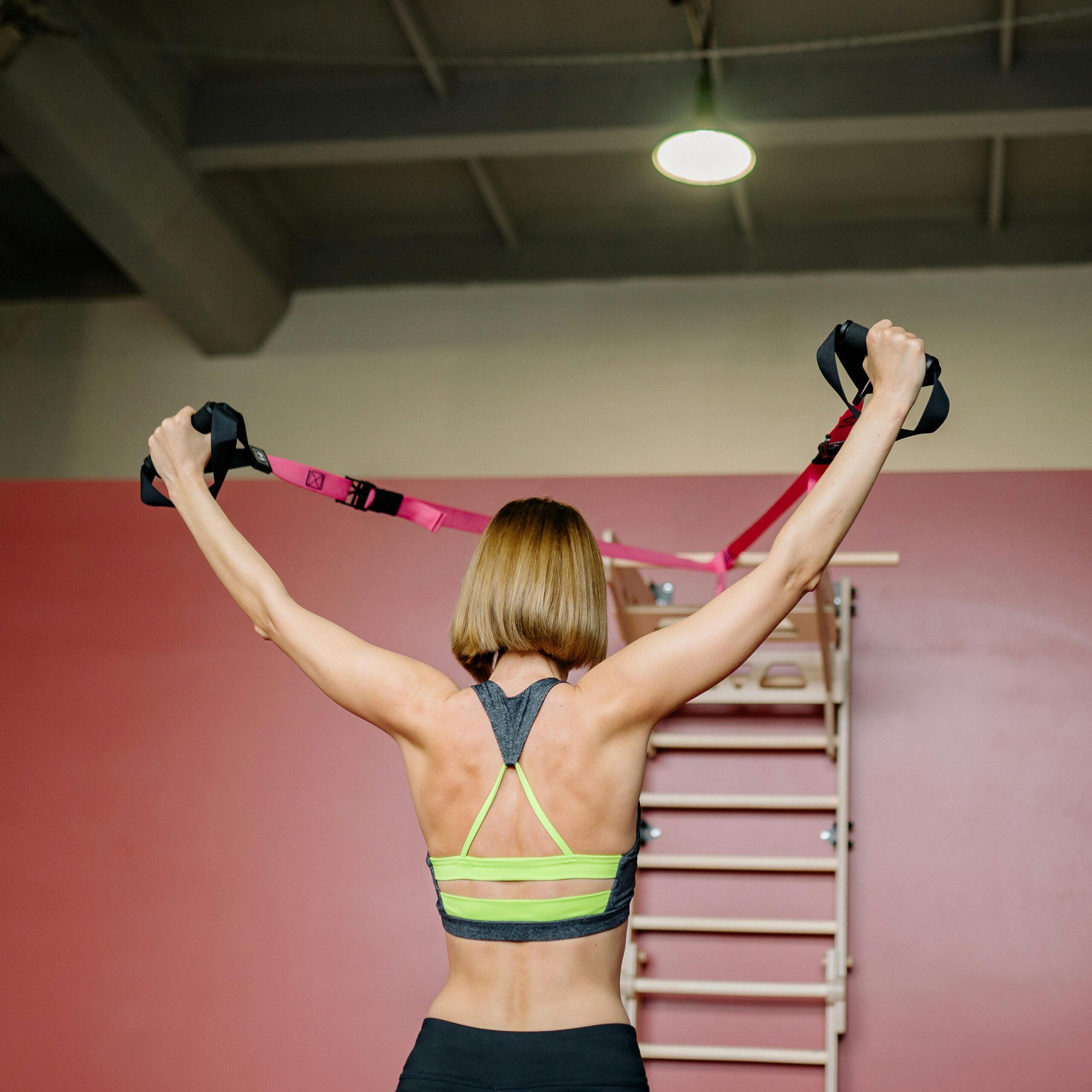
Final Takeaway
Resistance training and weight lifting are tools—not rules. Whatever your approach, consistency matters more than equipment.
Start small, stay steady, and remember: every rep counts.
Whether you are watching what you eat, not eating for a while, or just starting new habits, these ways can help you keep your muscles, lose fat, and feel more sure of yourself.
You can work out at home, figure out how hard you’re training by yourself, and use tips and guidance from certified experts.
Begin from where you are. Make use of what you already have.
Believe that every little bit you do helps.
My personal experience. A piece of advice
Keeping your body healthy isn’t a do-it-before-spring thing; it’s a lifelong commitment.
If you’re irresponsible with your body during the years, you’ll be more than severely worse off than you ever imagined.
The drudgery of living—being a parent, an entrepreneur, or a soon-to-be big league corporate player—does not relieve you of biology.
Your body doesn’t care about your title or ambition.
It quietly tracks your age, slows your metabolism, and gradually breaks down lean muscle when you’re inactive.
Your mind can be absorbed in goals, deadlines, and dreams—but your body just follows the schedule that you supply.
The news is better, though: you can involve your body in your goals. And when you do, something incredible happens:
Your energy returns. You wake up feeling like you’re ready to go, to work, to live.
It energizes every aspect of your life.
It enables you to get your body and health into prime condition, be a more lively and vibrant parent, and keep on performing at your peak—mentally and physically.
A simple and effective daily routine is drinking water as soon as you wake up.
Hydration is the basis of recovery and overall functioning.
Consumption of approximately half a liter of water upon rising has the effect of rehydrating your system, getting your metabolic processes moving, and preparing your body to deal with the day ahead.
By providing your most critical organs with the fluid they require before subjecting them to stress, you improve your immune, digestive, and nervous system function.
Drinking water on an empty stomach also boosts calorie burn and metabolism (Mayo Clinic Staff, 2024).
Being healthy—and staying off the gradual weight gain bandwagon—is not about quick fixes. It’s about small, consistent habits.
A wonderful way to embark on your wellness journey is to embrace the simple yet profound habit of drinking plenty of water.
Your muscles need it; your body deserves it.
References for further reading
American College of Sports Medicine (ACSM). “Resistance training improves muscular strength and endurance, helps maintain lean body mass during weight loss, enhances insulin sensitivity, and supports bone health.”
— ACSM’s Guidelines for Exercise Testing and Prescription, 11th Edition (2021).
Calatayud, Joaquin, et al. “Progression Models in Resistance Training Using Bodyweight Exercises: Implications for Strength and Muscle Development.” Sports Medicine, vol. 52, no. 8, 2022, pp. 1839–1851, https://doi.org/10.1007/s40279-021-01617-4 .
Harvard Health Publishing. “Resistance bands offer effective muscle activation comparable to free weights when used properly and are a practical option for home-based strength training.”
— Harvard Health Publishing, “Resistance bands: a simple way to strengthen muscles,” 2023.
Mayo Clinic. “Drinking water before meals and upon waking can aid digestion, support metabolism, and assist with appetite control.”
— Mayo Clinic Staff, “Water: How much should you drink every day?” Updated 2024.
Schoenfeld, Brad J. “The Mechanisms of Muscle Hypertrophy and Their Application to Resistance Training.” Journal of Strength and Conditioning Research, vol. 24, no. 10, 2010, pp. 2857–2872.
Disclaimer: The information shared here is based on personal experience and publicly available research and is intended for educational purposes only. It should not replace advice from a qualified healthcare professional. Please consult a certified nutritionist, physician, or other licensed expert before making dietary, exercise, or fasting-related changes, especially if you have existing health conditions. The habits discussed are examples, not prescriptions, and readers are encouraged to review the referenced sources and make informed decisions for their own health. My habits are a guide, not a rule.